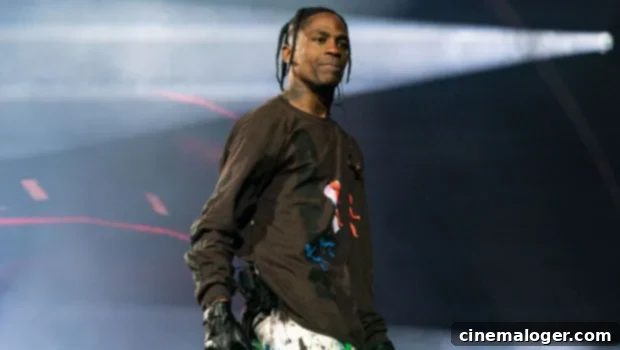
Astroworld Festival Tragedy: Travis Scott Breaks Silence Amidst Safety Concerns and Investigations
In the wake of the devastating Astroworld Festival tragedy, superstar Travis Scott has issued his first public statement, expressing profound sorrow and solidarity with the victims and their families. The music festival, held in Scott’s native Houston, Texas, on November 5, 2021, descended into chaos when a massive crowd surge resulted in eight confirmed deaths and hundreds of injuries. Scott’s statement, released on November 6 via Twitter, conveyed his deep anguish over the loss of life at an event meant to be a celebration of music and community. “I’m absolutely devastated by what took place last night,” the “Sicko Mode” rapper began, adding, “My prayers go out to the families all those impacted by what happened at Astroworld Festival.” This initial communication marked the beginning of a long and complex journey for Scott, the festival organizers, and the entire music industry as they grappled with the profound consequences of the incident.
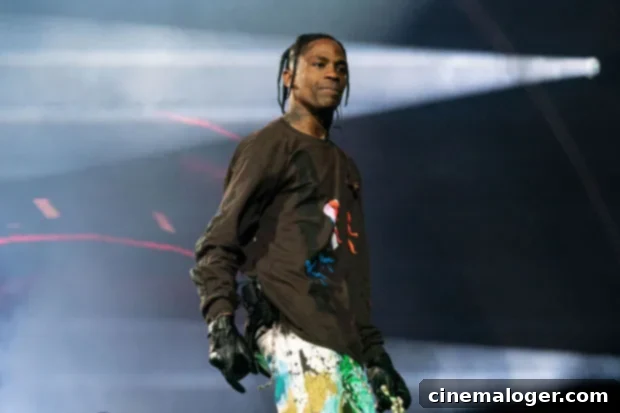
Scott’s statement continued, pledging full cooperation with authorities and extending gratitude to first responders. “Houston PD has my total support as they continue to look into the tragic loss of life. I am committed to working together with the Houston community to heal and support the families in need. Thank you to Houston PD, Fire Department and NRG Park for their immediate response and support. Love You All.” This message, while expressing immediate grief and offering assistance, also highlighted the immediate shift from festival excitement to a somber focus on investigation and recovery. The tragic events at Astroworld have ignited a crucial conversation about crowd control, event safety protocols, and the responsibilities of artists and organizers in ensuring the well-being of attendees at large-scale musical gatherings. The magnitude of the incident immediately led to widespread calls for accountability and a thorough review of how such a catastrophic crowd surge could have occurred.
pic.twitter.com/ijXKslw7E2
— TRAVIS SCOTT (@trvisXX) November 6, 2021
The horror unfolded on the evening of November 5 at NRG Park, where approximately 50,000 fans had gathered for the highly anticipated festival. While eight individuals were confirmed dead in the immediate aftermath, hundreds more sustained injuries, some severe, as a result of the crushing crowd. Eyewitness accounts described a terrifying scene where concertgoers were pressed so tightly together they struggled to breathe, unable to move or escape the surging mass. Fire Chief Samuel Peña pinpointed the most critical period around 9:15 pm, when the immense crowd surged aggressively towards the stage. “The crowd began to compress toward the front of the stage, and people began to panic,” he told CNN, detailing the dire circumstances that led to the fatalities. The rapid compression of such a large number of people can cause what is known as ‘compressional asphyxia,’ a primary cause of death in crowd crush incidents, alongside cardiac arrest due to extreme stress and physical pressure.
In attendance at the festival were high-profile personalities, including Travis Scott’s on-again/off-again girlfriend, Kylie Jenner, their daughter Stormi Webster, and Kylie’s sister Kendall Jenner. Their presence, initially adding to the festival’s star power, later drew additional scrutiny as questions arose about the visibility of the unfolding tragedy from the stage and VIP areas. At the very moment the crowd surge escalated, Travis Scott was on stage, joined by surprise guest Drake, performing to an ecstatic audience. Despite the escalating danger, the show continued for some time, raising critical questions about communication channels between event staff, security, and the performers. Houston Police Chief Troy Finner confirmed that festival organizers eventually stopped the show once the severity of the situation became undeniably clear and multiple people were reported injured and in distress. The immediate aftermath saw the cancellation of the rest of the festival weekend, a decision that underscored the gravity of the events. Festival organizers released a statement echoing Scott’s sentiments: “Our hearts are with the Astroworld Festival family tonight- especially those we lost and their loved ones. We are focused on supporting local officials however we can. With that in mind, the festival will no longer be held on Saturday.”
The scale of the tragedy prompted an immediate and resolute response from Houston’s civic leaders. Houston Mayor Sylvester Turner was quick to call for a comprehensive investigation, speaking out forcefully on November 6. “What happened at Astroworld Festival was a tragedy,” he stated unequivocally. “An estimated 50,000 people attended the event Friday night, expecting to enjoy a music concert with friends and return home safely. I extend my condolences to the families of the eight people who died and the approximately 17 people who were injured at the event. Many of them suffered cardiac arrest.” Mayor Turner’s words emphasized the broken trust and the profound impact on the community, setting the stage for a meticulous examination of every aspect of the festival’s planning and execution. The investigation, spearheaded by the Houston Police Department, began to look into concert security, crowd control measures, medical provisions, and communication protocols. Initial findings indicated that several individuals experienced cardiac arrest, a symptom often associated with the intense pressure and lack of oxygen during severe crowd crushes.
The Astroworld tragedy has since sparked numerous lawsuits and a wide-ranging debate about safety standards at large-scale music festivals across the globe. Experts in crowd dynamics and event management have weighed in, suggesting improvements such as enhanced entry and exit points, better real-time crowd monitoring technology, clearer emergency broadcast systems, and more stringent training for all staff members, including security personnel and artists, on recognizing and responding to dangerous crowd behavior. There’s a growing consensus that artists, as influential figures on stage, bear a significant responsibility to pause or stop performances if they perceive danger to their audience. The incident has also put event promoters, particularly Live Nation, under intense scrutiny regarding their role in ensuring public safety at their managed events. The long-term implications for Travis Scott’s career and the future of the Astroworld Festival itself remain uncertain, but the lessons learned from this devastating event are expected to drive fundamental changes in how live music events are planned, managed, and executed, hopefully preventing similar tragedies from occurring in the future. The healing process for the families and the Houston community continues, underscored by the painful memory of what transpired that fateful night at NRG Park.