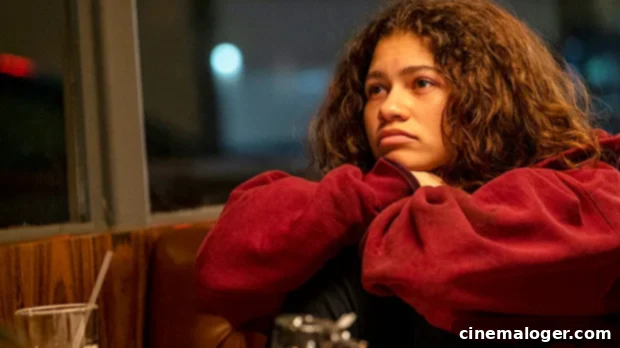
Zendaya on Rue’s “Brutal” Breakdown in Euphoria Season 2 and the Path to Hope and Redemption
The acclaimed HBO series Euphoria consistently pushes boundaries, exploring the complex and often harrowing realities of adolescence. Few episodes have resonated as deeply, or as painfully, as the fifth installment of its second season, which aired on February 6. This pivotal episode witnessed Zendaya’s character, Rue Bennett, plunge to her absolute rock bottom. Her mother, Leslie, learned of Rue’s relapse through Jules (Hunter Schaefer) and Elliot, triggering a chaotic and emotionally charged sequence that saw Rue lash out at those closest to her, all while desperately seeking drugs to stave off the agonizing symptoms of withdrawal.
In a revealing interview with The Cut, Zendaya openly discussed the immense challenges of bringing Rue’s devastating breakdown to life on screen. She candidly described the filming experience for episode five as “f***ing brutal,” a testament to the raw intensity and emotional toll it took on her as an actress. However, even amidst this brutal depiction of addiction, Zendaya offered a glimmer of hope, teasing a redemptive arc for Rue as the season progresses, a crucial narrative decision made in collaboration with the show’s creator.

Behind the Scenes: The Emotional Labor of Episode Five
The intensity of Rue’s downward spiral in episode five was palpable, leaving viewers reeling. From her desperate attempts to find drugs, to her volatile confrontations with her family and friends, the episode was a masterclass in portraying the chaotic and destructive nature of addiction. Zendaya’s performance, which earned her widespread critical acclaim and an Emmy, was a visceral portrayal of pain, anger, and desperation. The “brutal” nature she described wasn’t just about the physical demands of filming such intense scenes, but also the profound emotional and psychological investment required to inhabit a character experiencing such a catastrophic relapse.
For an actor, stepping into the shoes of someone struggling with addiction at such a critical juncture demands immense empathy and preparation. Zendaya, who also serves as an executive producer on the show, has often spoken about her meticulous approach to understanding Rue’s struggles, consulting with addiction specialists and drawing on personal stories to ensure an authentic portrayal. This commitment to realism, while vital for the show’s impact, undoubtedly contributed to the emotional exhaustion she felt during the filming of Rue’s breakdown. The raw vulnerability required to perform those scenes, stripped bare of any glamour, made it one of the most challenging experiences of her career.
A Deliberate Shift: Injecting Hope into Rue’s Arc
While the initial vision for the season’s conclusion might have been bleaker, Zendaya revealed a crucial turning point in the creative process. “The ending of the season was going to be very different and then halfway through, [writer] Sam [Levinson] and I were like, ‘We just can’t leave Rue here. We gotta put some f***ing hope in this show,'” she explained. This collaborative decision underscores the profound responsibility both Zendaya and Levinson feel towards Rue’s narrative, understanding the need for a glimmer of light amidst the darkness.
This pivot was not merely a convenient plot device but a deeply considered choice to reflect the complexities of recovery. Addiction is a lifelong struggle, but recovery is possible, and hope is a powerful catalyst. By consciously deciding to shift Rue’s trajectory, they aimed to offer a more nuanced and ultimately more empathetic portrayal of an addict’s journey. Zendaya elaborated on this evolving narrative, stating, “By episode six, Rue is starting to stitch her life back together. Episode eight is where we’ll get that sense of redemption — that you aren’t the worst thing you’ve ever done in your life. I think Rue deserves it, and I think anyone who suffers with the same thing she does deserves it.” This promise of redemption is not a clean slate, but a recognition of growth, self-forgiveness, and the possibility of rebuilding, even after the most severe relapses. It’s a message that resonates far beyond the screen, offering a lifeline of understanding and compassion.
Zendaya’s Profound Connection to Rue Bennett
Zendaya has consistently expressed a unique and profound connection to Rue, one that she describes as unlike any other character she has portrayed. “She lives in me in a weird way,” she revealed. “I don’t have to go searching for her. Even with the Spider-Man movies, I’ll talk to the director and be like, ‘Is that MJ-ey enough?’ I try to find it again. With Rue, she’s just there.” This statement speaks volumes about the depth of her immersion in the character, suggesting that Rue isn’t just a role she plays, but a part of her artistic and emotional landscape. This deep internal resonance allows her to tap into Rue’s vulnerabilities, joys, and pains with an authenticity that is rare and impactful.
Such an intimate connection to a character grappling with severe addiction undoubtedly contributes to the emotional intensity of her performances. It means that bringing Rue’s struggles to life isn’t just acting; it’s an exploration of profound human suffering, filtered through her own empathetic lens. This unwavering bond also empowers her to advocate for Rue’s narrative arc, ensuring that the character’s journey, despite its darkest moments, ultimately serves a greater purpose of understanding and hope. It is this unique rapport that allows Zendaya to deliver performances that transcend mere entertainment, leaving an indelible mark on both critics and audiences alike.
The Power of Empathy: Zendaya’s Vision for Viewers
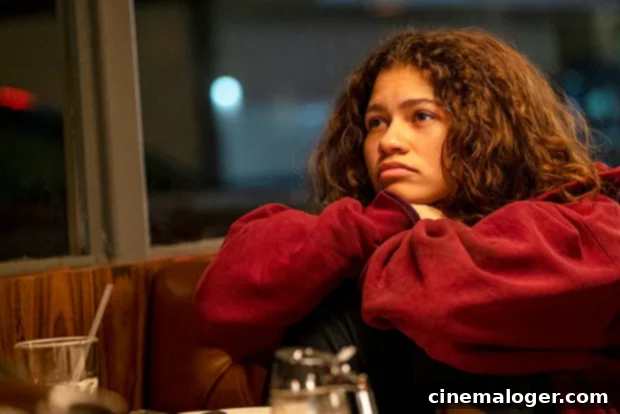
Beyond the narrative and personal experience, Zendaya harbors a powerful hope for how viewers perceive Rue. Despite Rue’s often self-destructive behavior and the devastating impact of her addiction on her loved ones, Zendaya wants audiences to continue to root for her and see her inherent worth. Before episode five aired, she articulated this desire, explaining why she believes Rue “deserves” to be loved, flaws and all. “It’s my hope for people watching that they still see her as a person worthy of their love,” she said. “And worthy of their time and that she has a redemptive quality still, and that we still see the good in her even if she can’t see it in herself.”
This sentiment is central to the show’s broader mission: to humanize individuals struggling with addiction. Zendaya emphasizes that seeing Rue’s inherent good, even when she is at her worst, is an act of profound empathy. This perspective challenges the common tendency to demonize or dismiss those grappling with substance abuse, instead inviting viewers to look beyond the addiction to the person beneath it. By portraying Rue’s journey with such raw honesty, Euphoria encourages a more compassionate understanding of a complex issue that affects millions globally.
She further elaborated on this crucial message: “I think that if people can go with her through that, and get to the end, and still have hope for her future, and watch her make the changes and steps to heal and humanize her through her sobriety and addiction, then maybe they can extend that to people in real life. If you can love her, then you can love someone that is struggling with the same thing, and maybe have greater understanding of the pain they’re facing, that is often out of their control. So for me, that’s the most important thing.” This eloquent statement encapsulates the show’s and Zendaya’s greater ambition: to transform artistic portrayal into real-world understanding and compassion. It underscores the responsibility she feels in portraying Rue, not just as a character for entertainment, but as a vehicle for fostering empathy and breaking down stigmas associated with addiction and mental health struggles.
Looking Ahead: Rue’s Journey to Healing and the Impact of Euphoria
The arc of Rue’s story, particularly in Season 2, serves as a powerful testament to the show’s commitment to tackling difficult subjects with unflinching honesty. The journey from the “brutal” breakdown of episode five to the teased redemption of episode eight is not merely a character arc; it’s a narrative about resilience, the arduous path to recovery, and the enduring power of hope. Euphoria continues to be a cultural touchstone, recognized for its daring approach to depicting the lives of contemporary teenagers, grappling with issues like addiction, identity, love, and trauma.
Zendaya’s contributions, both as an actress and a producer, have been instrumental in shaping this narrative, ensuring that Rue’s story, despite its often dark and painful elements, ultimately conveys a message of human dignity and the possibility of healing. Her dedication to portraying Rue’s struggles with such authenticity not only elevates the show’s artistic merit but also reinforces its significant social impact. As viewers witness Rue “stitch her life back together,” they are invited to reflect on the nature of forgiveness, both for oneself and for others, and the profound capacity for change. The series, through Rue’s journey, continues to advocate for a world where understanding and empathy are extended to those battling internal demons, reinforcing the idea that everyone, regardless of their struggles, deserves hope, love, and a chance at redemption.