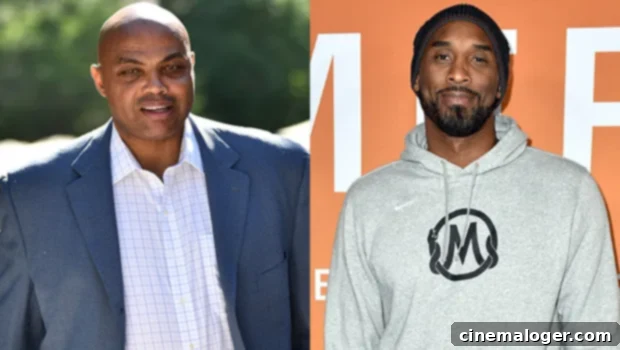
Charles Barkley on Kobe Bryant’s Legacy: Navigating the 2003 Sexual Assault Case and Public Outcry
The sudden and tragic passing of NBA legend Kobe Bryant sent shockwaves across the globe, leaving millions in mourning. As the world grappled with the loss of one of basketball’s most iconic figures, conversations naturally turned to his immense legacy. However, these discussions quickly became complex and at times, contentious, particularly following comments made by fellow NBA icon and sports analyst, Charles Barkley. Barkley ignited a significant debate by asserting that Bryant’s legacy must be viewed in its “totality,” including the 2003 sexual assault allegations that once overshadowed his career.
During an appearance on the TODAY show on February 14, ahead of the NBA All-Star game in Chicago, Charles Barkley offered a perspective that some found refreshingly honest, while others deemed it insensitive and ill-timed. He posited that while Kobe Bryant’s basketball excellence should be celebrated wholeheartedly, the conversation should not shy away from acknowledging his past controversies. “You have to tell the picture in totality,” Barkley stated. “We’re not making Kobe out to be no hero. We’re celebrating his basketball excellence. We understand what happened in Colorado. That’s fair, but two things can be true. Kobe Bryant is one of the greatest basketball players ever. And he had a flaw that we all know about.”
The 2003 Colorado Case: A Lingering Shadow
Barkley’s comments directly referenced the 2003 incident in Colorado, where Kobe Bryant was accused of sexual assault by a then 19-year-old hotel employee. The allegations led to a highly publicized criminal case that captivated national attention and cast a long shadow over Bryant’s otherwise stellar public image. While criminal charges were ultimately dropped by prosecutors, this decision came after the alleged victim declined to testify. Bryant subsequently settled a civil suit out of court with the woman for an undisclosed amount, bringing a legal end to the contentious affair.
During the legal proceedings and in a public statement, Kobe Bryant admitted to having a sexual encounter with the woman but maintained that the interaction was entirely consensual. He publicly apologized to his wife, Vanessa Bryant, and his family for his infidelity, a moment that was widely covered by media outlets globally. This incident, while legally resolved, remained a significant part of his personal narrative and public perception, often resurfacing in discussions about his character and legacy.
The Outcry: Grief, Loyalty, and Media Scrutiny
As expected, Barkley’s remarks did not go uncommented upon, especially from a grieving fanbase protective of Bryant’s memory. The immediate aftermath saw a torrent of online reactions, with many fans expressing anger and disappointment at what they perceived as an unnecessary dredging up of past controversies so soon after Bryant’s death. The sentiment among many was that a period of mourning should be free from critical analysis, particularly concerning a beloved figure who had inspired so many.
One person, expressing their frustration on social media, tweeted, “Here we go again. Another moron trying to be cool with the networks 🤦🏻♀️ Charles Barkley is disgraceful.” Another fan’s tweet highlighted a common argument rooted in faith and forgiveness: “God is our Judge. I totally disagree with Gayle King & Charles Barkley for totally disrespecting the legacy of Mr. Kobe Bryant, his family, friends & fans. Jesus Christ forgave all of our sins after we repented. God don’t [sic] remember our sins. Use wisdom in every way possible. #Peace.”
This latter tweet explicitly linked Barkley’s comments to an earlier, equally controversial interview conducted by journalist Gayle King. The fan’s anger at King stemmed from a controversial interview she conducted on CBS This Morning with WNBA star Lisa Leslie. During that conversation, King specifically brought up Kobe’s past rape case and directly asked Leslie if she thought it would “complicate” his legacy. This line of questioning, coming hot on the heels of Bryant’s tragic death, was met with immediate and widespread condemnation from various corners, including celebrities and the general public, who felt it was highly inappropriate given the circumstances.
Snoop Dogg’s Intervention and Apology
Among the most vocal critics of Gayle King’s interview was legendary rapper Snoop Dogg. Following the release of King’s segment, Snoop posted a fiery video on social media, directly calling out the journalist for her perceived insensitivity. His message was blunt and unequivocal: “Gayle King, you’re out of pocket for that s***,” Snoop said. “Way out of pocket. What do you gain from that? We expect more from you Gayle.” The video resonated with many who felt King had crossed a line, and it quickly went viral, amplifying the backlash against her.
However, the situation took a serious turn when Gayle King reportedly began receiving death threats as a result of the intense public reaction. Recognizing the dangerous escalation, Snoop Dogg later apologized for his initial outburst. While he stood by his belief that King’s questions were inappropriate, he clarified that his intent was never to incite violence or threats against her. This incident sparked a broader conversation about the responsibilities of public figures in addressing media conduct and the alarming trend of online harassment.
Navigating Complex Legacies in the Public Eye
The controversies surrounding both Charles Barkley’s and Gayle King’s comments about Kobe Bryant’s past highlight a significant dilemma faced by media, commentators, and the public alike when discussing the legacies of complex figures, especially after their untimely deaths. On one hand, there is a powerful human instinct to protect the memory of those who have passed, particularly when they were beloved and inspirational. This often manifests as a desire to focus solely on their positive contributions and achievements, viewing any critical commentary as disrespectful or untimely.
On the other hand, a fundamental principle of journalism and historical accounting is to present a complete and nuanced picture. As Barkley articulated, true understanding often requires acknowledging the “totality” of an individual’s life – their triumphs, their virtues, and their flaws. To omit uncomfortable truths, some argue, is to sanitize history and create an incomplete narrative, which ultimately does a disservice to both the individual and the public who seek to understand them fully.
Kobe Bryant’s life was indeed multifaceted. He was a prodigious talent, a fierce competitor whose “Mamba Mentality” transcended basketball and inspired millions globally to pursue excellence. He was also a devoted husband and father, celebrated for his post-NBA career endeavors in storytelling and mentorship. Yet, the 2003 Colorado incident remains a historical fact, a moment in his life that garnered significant attention and had a profound impact on his personal and public journey.
The debates surrounding Barkley’s and King’s remarks underscore the uncomfortable truth that public figures, even heroes, are complex human beings. Their legacies are not monolithic; they are woven from threads of both immense achievement and undeniable imperfection. Ultimately, how society chooses to remember such figures often reflects its own values and its willingness to grapple with uncomfortable complexities. The ongoing discussion about Kobe Bryant’s legacy serves as a poignant reminder of the delicate balance between honoring a legend and acknowledging the full spectrum of their human experience.