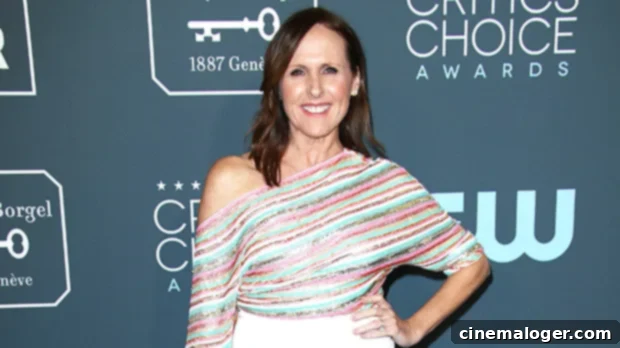
Molly Shannon: Transforming Childhood Tragedy into Iconic SNL Comedy and Enduring Hope
In the world of comedy, few performers have captivated audiences quite like Molly Shannon. Renowned for her vibrant energy and unforgettable characters, Shannon’s career has been a testament to resilience, creativity, and the profound human capacity to find light even in the darkest corners of life. While her comedic genius brought laughter to millions, the roots of some of her most iconic creations, particularly the beloved Mary Katherine Gallagher on Saturday Night Live, spring from a place of unimaginable pain and loss. Shannon has openly shared how a heartbreaking childhood tragedy profoundly shaped her artistic journey, revealing the poignant connection between deep sorrow and the unique brand of humor that became her hallmark.
“I was very heartbroken and very sad and just trying to hold it all together as a kid,” Molly Shannon candidly revealed in an interview with the Los Angeles Times, speaking publicly about a pivotal and devastating event from her early life. At the tender age of four, Shannon experienced a catastrophic car accident that claimed the lives of her mother, her younger sister, and her cousin. Her father, who was driving at the time and under the influence, survived the horrific crash but sustained severe injuries. This sudden and profound loss left an indelible mark on young Molly, thrusting her into a world of grief that a child’s mind is ill-equipped to process. The immense weight of such a tragedy, particularly the loss of her closest family members, led to a natural coping mechanism of suppression. “There’s no way that you could feel that type of deep pain about your mother and your sister being dead,” Molly explained, reflecting on how she internalized her grief. “So you just hold it all in, and it comes up later in life.” This emotional suppression, a common response to overwhelming trauma, would unknowingly lay the groundwork for her future artistic expression, shaping her perspective and fueling her creative drive in unexpected ways.
Years later, as an aspiring comedian, Molly found an unconventional yet powerful outlet for these deeply buried feelings. It was during an improv exercise class, while developing material for a comedy show directed by her friend, Madeline Olnek, that the iconic character of Mary Katherine Gallagher first began to take shape. Mary Katherine Gallagher emerged as an energetic, awkward, and intensely earnest Catholic schoolgirl, characterized by her signature nervous habits, clumsy movements, and a desperate yearning for approval. Molly revealed that this beloved character was “really based on me,” drawing a direct line between the fictional schoolgirl’s quirks and her own childhood experiences following the accident. Shannon elaborated, stating that Mary Katherine Gallagher embodied “how I felt after the accident — really nervous, accident-prone, wanting to please, f— up but full of hope.” By exaggerating these raw, personal emotions and vulnerabilities, Molly transformed her childhood coping mechanisms into a character that resonated profoundly with audiences. This act of artistic alchemy allowed her to channel her suppressed pain, anxiety, and an underlying sense of hope into a comedic persona, turning personal trauma into universally relatable humor. The character’s intense commitment to “superstardom” despite her numerous social failings and physical mishaps became a metaphor for Molly’s own journey of overcoming adversity with an indomitable spirit.
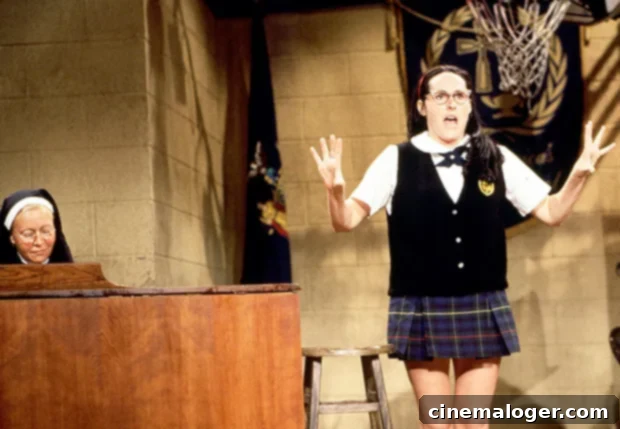
Mary Katherine Gallagher quickly became one of the most popular characters during Molly Shannon’s celebrated seven-season tenure on Saturday Night Live. Her sketches were highly anticipated, often featuring the character’s over-the-top physical comedy and a relentless pursuit of validation, usually expressed through her unique talent show performances. The character’s appeal stemmed from her relatability – an embodiment of anyone who has ever felt awkward, insecure, or desperate to prove themselves, yet carried an unwavering spark of optimism. The cultural impact of Mary Katherine Gallagher was so significant that it transcended the sketch comedy show, leading to her own spin-off movie, 1999’s Superstar. This feature film further explored Mary Katherine’s journey to achieve her dreams, cementing her place as a true comedic icon and showcasing the widespread adoration for Molly Shannon’s creation. The ability of Shannon to imbue such a seemingly outlandish character with genuine heart and a palpable sense of striving ensured her enduring legacy, demonstrating how deeply personal experiences could translate into widespread comedic success.
However, the physically demanding nature of portraying Mary Katherine Gallagher also came with a significant, and somewhat unsettling, downside for Molly. The character’s signature physicality often involved dramatic falls and collisions, with Shannon willingly throwing herself into piles of metal chairs without any padding or protection. Remarkably, during these intense performances, she would barely register any pain, an astonishing feat that later became a point of reflection. It was typically the following day after playing Gallagher that Molly would awaken with an array of cuts, bruises, and scrapes, often having no recollection of how or when she had sustained these injuries. This detachment from physical pain, she revealed, was a direct echo of her childhood trauma. “Isn’t that weird?” she pondered to the Los Angeles Times. “I didn’t care if I cut myself or I made myself bleed. I did not give a s—. I looked at it like punk rock. I was reckless, and because of what I went through, I just didn’t care about anything.” This profound statement offered a window into the psychological impact of her early loss, suggesting a subconscious numbness to physical harm, a deep-seated recklessness born from a life-altering tragedy. It was as if the emotional pain she had suppressed had manifested as a disregard for her physical well-being, an unconscious echo of the “holding it all in” she described. This raw honesty unveiled the complex layers beneath her comedic exterior, revealing how her art was not just inspired by her past, but also, in a way, a re-enactment of its unresolved feelings.

Molly admitted that sharing these deeply personal and vulnerable experiences for the first time felt incredibly exposing. “You feel like you put your heart right there on the table,” she confessed to the LA Times. However, despite the inherent vulnerability, Shannon expressed a powerful sense of purpose behind her openness. Her hope was that by sharing her unique story of loss, resilience, and transformation, she could offer solace and understanding to others who have faced their own profound challenges. Her willingness to lay bare her past trauma and its influence on her life and art is a testament to her strength and empathy, fostering a connection with her audience that goes beyond mere entertainment. This act of sharing not only provides insight into the genesis of her comedic genius but also serves as a beacon of hope, illustrating how one can navigate immense grief and emerge with creativity, strength, and a renewed appreciation for life.
Beyond her iconic comedic roles, Molly Shannon has cultivated an acclaimed career spanning both comedy and drama, demonstrating an impressive versatility that has earned her critical praise. From her compelling performances in shows like The Other Two and her Emmy-nominated role in The White Lotus, Shannon has consistently proven her depth as an actress. However, her life is not solely defined by her professional accomplishments. Molly has built a beautiful and happy family, a source of immense joy and grounding for her. She married artist Fritz Chesnut in 2004, and together they are proud parents to two children: their daughter Stella, now 17, and their 16-year-old son Nolan. Her family life stands as a testament to her resilience, showcasing her ability to nurture love and happiness after enduring such a devastating beginning.
Reflecting on her journey, Molly Shannon frequently expresses a profound sense of gratitude that is deeply intertwined with her past. “I look at life differently, losing my mom, and living beyond years that she ever got to live,” she articulates. This perspective underscores a powerful ethos: to embrace every moment, to live fully, and to find beauty in the everyday, knowing that such opportunities were tragically cut short for her mother and sister. Her experiences have instilled in her a unique appreciation for the present and a profound understanding of life’s preciousness. This blend of profound sadness and vibrant hope has not only shaped her unforgettable characters but has also defined her approach to life. Molly Shannon’s story is a compelling narrative of how art can be born from adversity, how personal tragedy can be transmuted into universal laughter, and how, through resilience and an open heart, one can build a life rich with purpose, love, and unwavering gratitude.