Thalia Graves Accuses Sean ‘Diddy’ Combs of Sexual Assault Amid Mounting Legal Scrutiny
A new wave of grave accusations has emerged against music mogul Sean “Diddy” Combs, as a woman named Thalia Graves publicly detailed her alleged experience of being drugged, sexually assaulted, and having the attack recorded by Combs and his bodyguard more than two decades ago. This latest lawsuit adds significant pressure to Combs, who is already embroiled in a complex federal investigation and faces multiple serious charges, including sex trafficking and racketeering.
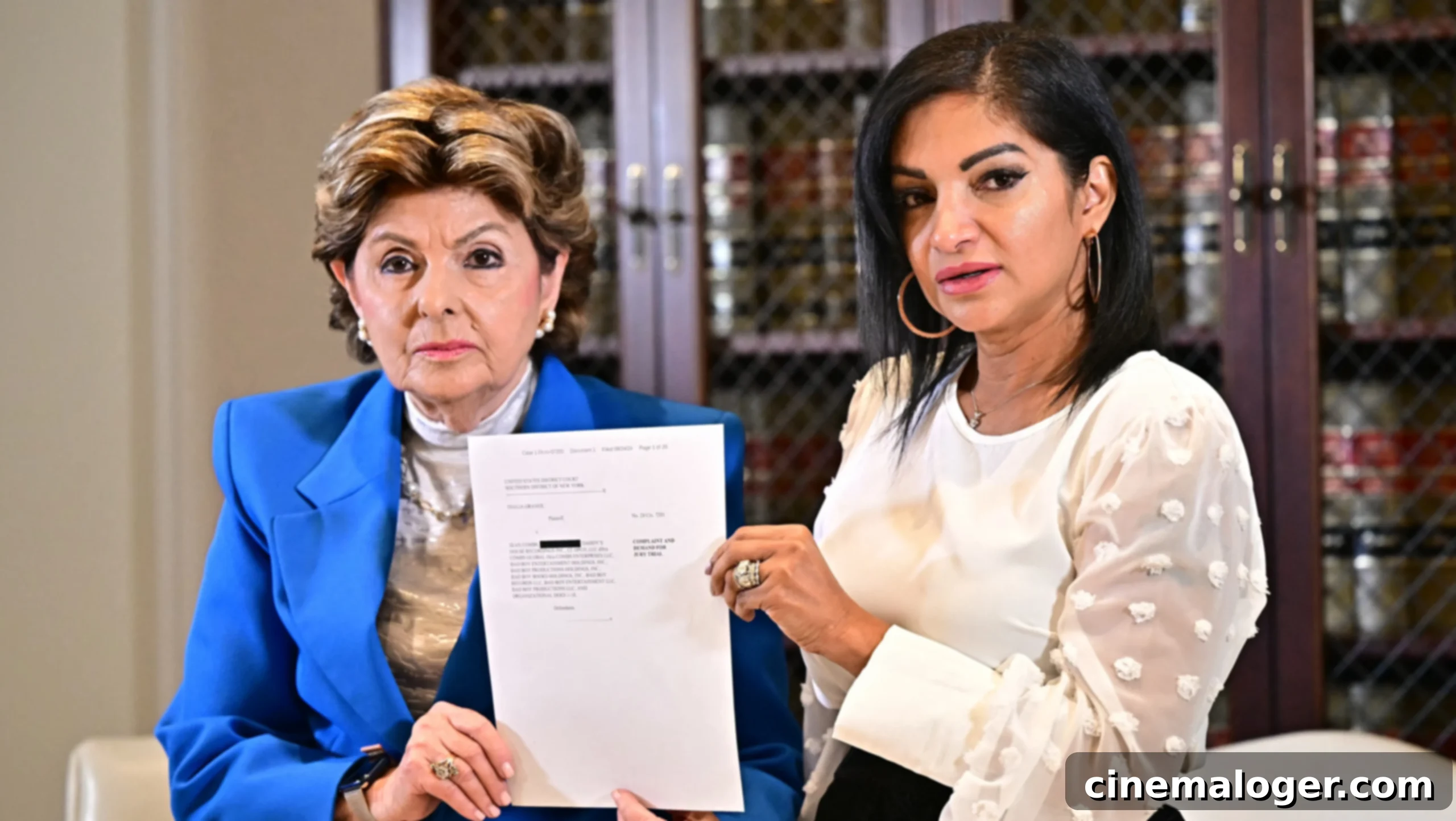
During an emotional press conference held on Tuesday, September 24, Thalia Graves bravely stepped forward to share her harrowing account. Accompanied by her attorney, the renowned civil rights lawyer Gloria Allred, Graves recounted the devastating impact the alleged incident has had on her life. “Some of the hardest parts of this pain are the shame and the guilt I have experienced that plays a negative part in my daily ability to function properly,” Graves stated, her voice resonating with years of suppressed trauma. She further expressed the profound psychological toll, adding, “Being blamed, questioned and threatened has often made me feel worthless, isolated and sometimes responsible for what happened to me.” Her powerful statement underscored the deep-seated emotional and psychological scars that victims of sexual assault often endure, compounded by fear and intimidation tactics.
Diddy’s accuser, Thalia Graves, claims at 25 while dating a Bad Boy executive in 2001, Diddy lured her to his lounge, drugged her, and r*ped her.
pic.twitter.com/0gOthd24wu
— RapTV (@Rap) September 24, 2024
The Disturbing Details of Thalia Graves’ Lawsuit
According to reports from Deadline, the lawsuit filed by Thalia Graves outlines a disturbing sequence of events alleged to have taken place in 2001. Graves claims that Combs, now 54, along with his bodyguard, Joseph Sherman, “viciously raped [Graves] at the Bad Boy Records studio in New York City.” The choice of location — the very epicenter of Combs’ music empire — adds another layer of alleged exploitation, leveraging his position of power and influence within the industry.
The court filing provides granular detail regarding the alleged incident, stating that Graves was 25 years old at the time and was romantically involved with one of Combs’ employees. This relationship, the lawsuit asserts, was allegedly exploited by Combs and Sherman to “lure Plaintiff into meeting him and Sherman alone.” Once isolated, the filing continues, “Combs and Sherman gave Plaintiff a drink, likely laced with a drug that eventually caused her briefly to lose consciousness. She awoke to find herself bound and restrained.” This detailed account paints a chilling picture of an orchestrated attack, utilizing strategic manipulation and alleged drugging to incapacitate the victim, raising serious questions about the environment cultivated around the music mogul.
Adding to the severe nature of the allegations, the lawsuit further claims that both Combs and Sherman subsequently engaged in a campaign of intimidation and silence. They allegedly reached out to Graves “and warned her to be silent, threatening repercussions including [Graves] potentially losing custody of her son if she ever disclosed the assault.” This alleged tactic of leveraging a parent’s worst fears highlights the extent of the purported psychological manipulation and coercive control employed. The legal document emphasizes the profound power dynamic at play: “Because of their enormous power in the industry, including through their ownership of and positions at the Combs Corporations, [Graves] knew that they could follow through on their threats.” The terror instilled by these threats, combined with the shock of the alleged assault, kept Graves silent for years, underscoring the systemic issues that often prevent victims from coming forward.
Perhaps one of the most shocking elements of Graves’ lawsuit is the claim regarding the recording of the alleged crime. The lawsuit states, “[Graves] could not believe that Defendants would record themselves committing such a gruesome crime and then proceed proudly and widely to disseminate the recording of it.” This particular allegation resonates with recent public revelations concerning Combs, including previous claims of recorded abuse, intensifying the gravity of the current charges and drawing unsettling parallels to other accusations he faces.
A Troubling Pattern: Diddy’s Expanding Legal Woes
Thalia Graves’ lawsuit is far from an isolated incident; it emerges amidst an escalating cascade of legal challenges and public scrutiny surrounding Sean “Diddy” Combs. The rapper, record label executive, and businessman has been facing a relentless string of accusations and investigations that have profoundly impacted his career and public image over the past year. These events collectively paint a troubling picture of alleged misconduct and abuse that spans decades and now involves federal authorities.
The Cassie Ventura Lawsuit and Lingering Questions
The highly publicized legal troubles for Diddy gained significant momentum in late 2023 with a sexual assault lawsuit filed by his ex-girlfriend, R&B singer Cassie Ventura. Ventura’s lawsuit detailed harrowing allegations of a decade of abuse, including sexual assault, physical violence, and forced participation in sex acts. While they settled the lawsuit just days after it was filed, the allegations themselves cast a long shadow over Combs. The swift settlement, though preventing a lengthy public trial, did little to quell public concern or the growing media attention, instead sparking debates about the nature of such rapid resolutions.
Months after the settlement, a disturbing video from 2016 surfaced earlier this year, tragically corroborating aspects of Ventura’s claims. The footage, obtained by CNN, graphically showed Combs dragging and beating Ventura in a hotel hallway, an incident eerily similar to descriptions in her initial lawsuit. The visual evidence shocked the public and reinvigorated scrutiny of the music mogul, drawing widespread condemnation. Following the video’s widespread dissemination, Diddy issued an apology in an Instagram clip, stating, “I hit rock bottom, but I make no excuses. My behavior in that video is inexcusable.” While he acknowledged his actions, many critics questioned the sincerity and timing of the apology, especially given its release only after undeniable proof had become public.
Federal Investigation and Serious Charges
The most significant escalation in Combs’ legal troubles arrived with a comprehensive federal investigation. In March, Combs’ two opulent properties in Miami and Los Angeles were raided by Homeland Security agents. These dramatic raids were part of a broader sex trafficking investigation, signaling the severe nature of the allegations being pursued by federal authorities. The unprecedented scope of the investigation suggested a potential network of illicit activities beyond individual instances of assault, indicating a much larger and more organized alleged criminal enterprise.
The culmination of this extensive investigation led to Combs’ dramatic arrest. Nearly six months after the initial raids, he was apprehended in New York City by federal agents. He now faces a staggering array of charges, including three felony counts of racketeering, sex trafficking, and transportation to engage in prostitution. These charges are incredibly serious and carry severe penalties, reflecting the government’s assertion of a pattern of organized criminal activity rather than isolated incidents of misconduct. Racketeering charges, in particular, imply involvement in an ongoing criminal enterprise, often associated with systemic exploitation and criminal influence. As of now, Combs is currently in custody at MDC Brooklyn, a federal detention center, where he awaits further legal proceedings.
The Path Forward: Justice and Accountability
The emergence of Thalia Graves’ lawsuit underscores a critical moment in the ongoing narrative surrounding Sean “Diddy” Combs. Each new accusation, each piece of evidence, contributes to a larger, disturbing picture of alleged systemic abuse and exploitation that has now captured the attention of federal law enforcement. For Graves and other accusers, coming forward is an act of immense courage, often years or even decades after the traumatic events, highlighting the enduring psychological impact and the profound challenges of seeking justice against powerful figures.
The legal battles ahead for Combs are monumental and fraught with complexity. With federal charges of sex trafficking and racketeering, coupled with numerous civil lawsuits, his legal team faces an uphill struggle against a formidable array of allegations. The outcome of these cases will not only determine Combs’ fate and legacy but also send a powerful message about accountability, even for those at the pinnacle of celebrity and wealth. The music industry, and indeed society at large, watches closely as these complex legal proceedings unfold, hoping for clarity and, ultimately, justice for all alleged victims.
If you or anyone you know has been sexually abused, confidential and compassionate support is available. Please call the National Sexual Assault Hotline at 1-800-656-HOPE (4673). A trained staff member can provide confidential, judgment-free support, offer guidance, and connect you with local resources to assist in healing, recovering, and navigating the path forward. You are not alone.