Victoria’s Secret Reinvents Itself: Embracing Body Inclusivity and Authentic Beauty in the ‘Body by Victoria’ Era
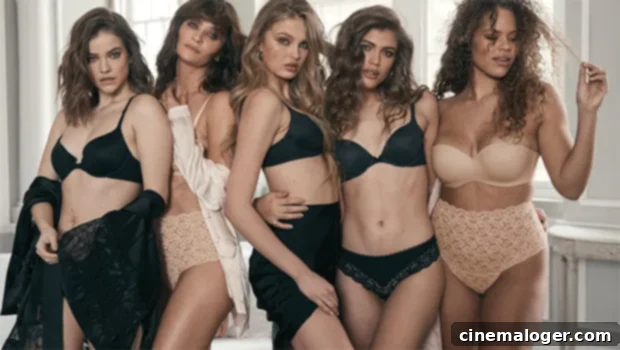
In a significant departure from its long-established image, Victoria’s Secret, once synonymous with a singular, aspirational “fantasy” of beauty, has embarked on a transformative journey. The brand’s Spring 2020 ‘Body by Victoria’ line, launched on March 19, marked a pivotal moment in this evolution. This campaign isn’t merely about showcasing new lingerie; it’s a powerful statement affirming that beauty transcends traditional boundaries of size, age, and gender. By featuring a truly diverse cast of models, Victoria’s Secret is actively responding to a global call for genuine representation and, in doing so, is striving to redefine its identity for a more inclusive future within the competitive fashion landscape.
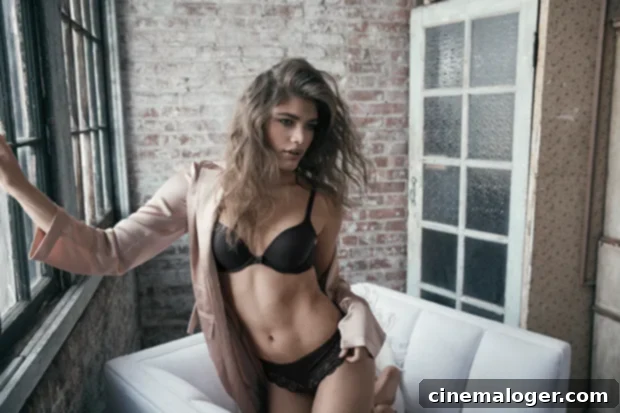
The ‘Body by Victoria’ campaign proudly champions the multifaceted nature of women’s bodies. Through a series of compelling photographs, the brand unveiled its neutral colors, classic cuts, and delicate lacy patterns on a lineup of models that beautifully reflects the diversity of its consumer base. This strategic shift underscores Victoria’s Secret’s ongoing commitment to becoming a more welcoming and relevant brand for all. Leading this charge in representation was Valentina Sampaio, 23, Victoria’s Secret’s first openly transgender model, who exuded confidence and elegance in a push-up bra and lace underwear. Her inclusion is a monumental step, breaking down barriers and sending a clear message of acceptance to the LGBTQ+ community and beyond within the mainstream fashion industry. Sampaio’s powerful presence not only highlights the brand’s evolving perspective but also contributes to greater visibility and understanding of transgender individuals in global media.
Beyond gender identity, the campaign also challenged conventional ageism within the modeling world. Victoria’s Secret veterans, Daniela Pestova, 49, and Helena Christensen, 51, graced the campaign alongside models two decades their junior, proving unequivocally that allure and confidence ripen with age. Both models, whose association with VS began as far back as 1997, showcased their enduring beauty and professionalism. Christensen’s involvement extended even further, as she took on the crucial role of the campaign’s photographer, lending an authentic and artistic eye to the shots. This dual role not only highlights her deep dedication to the brand but also symbolizes a deeper, more artistic collaboration that emphasizes genuine beauty over manufactured perfection. Their presence gracefully dismantled the notion that lingerie modeling is exclusively for the very young, instead celebrating the timeless appeal and sophistication of mature womanhood, empowering women of all ages to feel confident and beautiful in their skin.
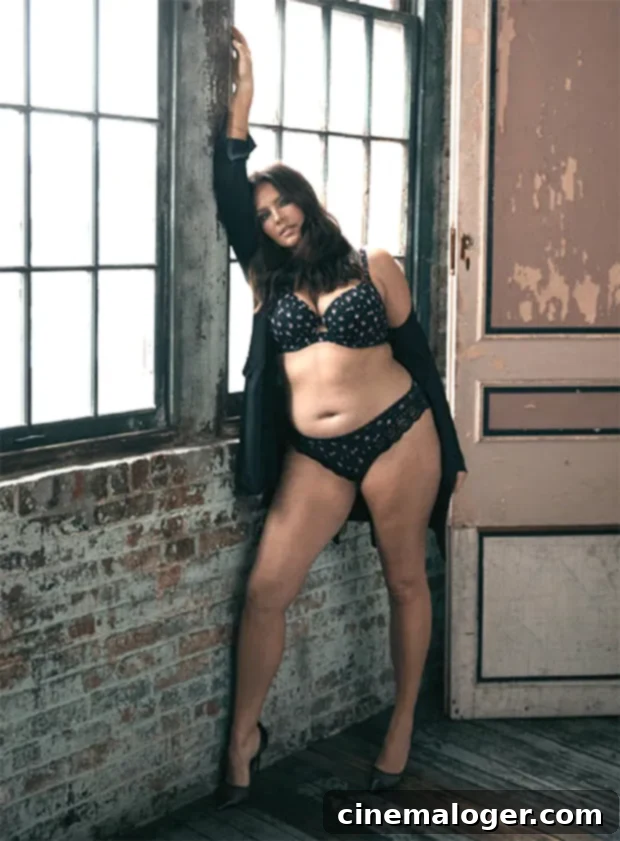
For many years, a significant segment of Victoria’s Secret’s audience yearned to see curvier figures represented in their campaigns and on the runway. The ‘Body by Victoria’ line demonstrated that the brand has finally heeded these calls. The stunning plus-size models, Candice Huffine and Solange van Doorn, were prominently featured, posing in the very same lacy pieces that were once exclusively showcased by the brand’s ‘Angels’ down the runway. This inclusion is more than just tokenism; it signifies a genuine effort to cater to and celebrate all body types. Both Huffine and van Doorn are well-recognized figures in the lingerie industry, having made significant strides with other inclusive brands like Savage X Fenty. Their participation in a Victoria’s Secret campaign not only validated the long-held desire for broader body representation but also underscored the industry-wide shift towards embracing diverse body shapes and sizes as a standard, rather than an exception. This move signals a more realistic and relatable approach to beauty for the brand.
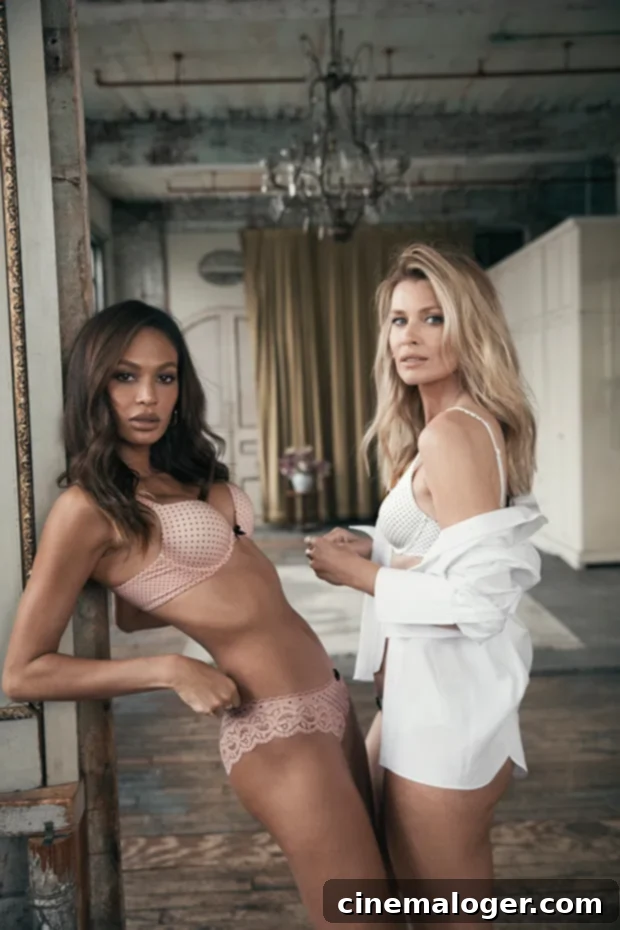
Beyond body shape and age, the campaign also placed a strong emphasis on ethnic and racial diversity, reflecting the global tapestry of women who wear lingerie. Brazilian model Lais Ribeiro, Puerto Rican model Joan Smalls, and Jasmine Tookes, a model of African-American, Brazilian, West Indian, and European descent, all lent their unique beauty and cultural richness to the campaign. Their presence ensured that the ‘Body by Victoria’ line resonated with a broad international audience, celebrating varied heritages and skin tones. These models, some of whom are familiar faces from past Victoria’s Secret endeavors, reinforced the brand’s commitment to showcasing a truly global standard of beauty. Additionally, fellow VS Angels Barbara Palvin and Romee Strijd also posed for the collection, which was designed with an overarching theme: to emphasize the models’ natural beauty and inherent forms, rather than to detract from them with excessive embellishments or overtly gaudy colors. This subtle yet powerful aesthetic choice aligns perfectly with the brand’s new philosophy of authenticity and understated elegance, promoting a more natural and sophisticated vision of allure.
For over four decades, Victoria’s Secret meticulously cultivated and marketed a particular “fantasy”—a narrow vision of beauty often criticized for its exclusivity and unattainability. However, the modern consumer demands authenticity, and the brand has finally begun to listen, ushering in a dramatic rebranding effort rooted in reality. The ‘Body by Victoria’ campaign is a clear manifestation of this shift, but it is not an isolated incident. The brand had already started laying the groundwork for greater inclusivity with its collection with Bluebella in October 2019. That groundbreaking campaign featured models such as Ali Tate, a prominent figure in plus-size modeling, and transgender model May Simón Lifschitz. These earlier collaborations signaled a clear intent to broaden the brand’s appeal and demonstrate a more inclusive stance, preparing the ground for the even more expansive ‘Body by Victoria’ initiative and solidifying a commitment to a new brand identity that celebrates all women.
This strategic pivot comes at a critical juncture for Victoria’s Secret. For years, the brand faced mounting criticism for its lack of diversity, its exclusionary messaging, and particularly for the opulent, yet often controversial, Victoria’s Secret Fashion Show. This annual spectacle, once a global television event, became a symbol of the brand’s antiquated approach to beauty, drawing criticism for its perpetuation of a single, idealized body type and its perceived objectification of women. The decision to discontinue the Fashion Show in 2020 and for the foreseeable future was a decisive move that solidified the brand’s commitment to its new direction. This discontinuation was not merely a cancellation but a bold declaration that the era of a singular, unattainable “fantasy” was over. It cleared the path for a new identity focused on empowering women through authenticity, comfort, and genuine representation in their everyday lives, prioritizing true connection over spectacle.
The new era for Victoria’s Secret is about connecting with women on a deeper, more relatable level. By embracing body inclusivity, age diversity, and racial representation, the brand is attempting to mend past criticisms and rebuild trust with its vast customer base. This transformation reflects a broader societal movement where consumers prioritize brands that align with their values of diversity, equity, and inclusion. The ‘Body by Victoria’ campaign is not just about selling lingerie; it’s about selling a new vision—one where every woman can see herself reflected and celebrated. It suggests a future where Victoria’s Secret aims to be a champion of modern femininity, understanding that true beauty is diverse, multifaceted, and comes in countless incredible forms. This bold strategic realignment indicates a conscious effort to reclaim relevance in a fiercely competitive market, positioning Victoria’s Secret as a brand that truly understands and respects its diverse clientele in the 21st century, moving from fantasy to a much-needed reality.
The journey toward full inclusivity is ongoing, and the fashion industry continues to evolve, constantly adapting to cultural shifts and consumer demands. However, Victoria’s Secret’s Spring 2020 ‘Body by Victoria’ line represents a significant milestone in this larger narrative. It’s a testament to the power of consumer demand and the imperative for brands to adapt to changing cultural landscapes, demonstrating that even long-established icons must evolve to remain relevant. By featuring models who embody real diversity – be it through size, age, ethnicity, or gender identity – Victoria’s Secret has signaled its earnest intention to leave its controversial past behind and forge a new path forward. This rebranding effort, marked by authenticity and a commitment to celebrating all women, has the potential to revitalize the iconic lingerie giant and redefine what it means to be a “Victoria’s Secret” woman in an ever-inclusive world. The future of Victoria’s Secret hinges on its ability to consistently deliver on this promise of genuine representation, ensuring that its message of empowering beauty resonates with every single customer, fostering a sense of belonging and confidence.